
You've just had a tie rod or control arm replaced, and the estimate also includes a wheel alignment. It is reasonable to wonder why the new part isn't the end of the repair. The answer is that the part and the wheel's final position are connected, but installing one doesn't automatically set the other.
Repairs that change wheel location or steering geometry need alignment measurements afterward. The manufacturer's procedure determines when adjustment and related electronic checks are required. Other jobs leave those angles alone, so adding an alignment to every repair would be unnecessary.
Tie Rod Replacement Changes Steering Adjustment
Tie rods connect steering movement to the wheels, and their effective length sets the toe. Toe describes whether the wheels point slightly inward or outward when viewed from above. Even a small error scrubs tread as the tires roll down the road.
Counting exposed threads or matching the old tie rod's approximate length helps with assembly, but it doesn't replace an alignment measurement. The final setting needs to be made with the steering centered and the vehicle prepared correctly. Otherwise, the car may leave with a crooked steering wheel or begin wearing the tires along their edges.
Control Arms and Ball Joints Affect Wheel Position
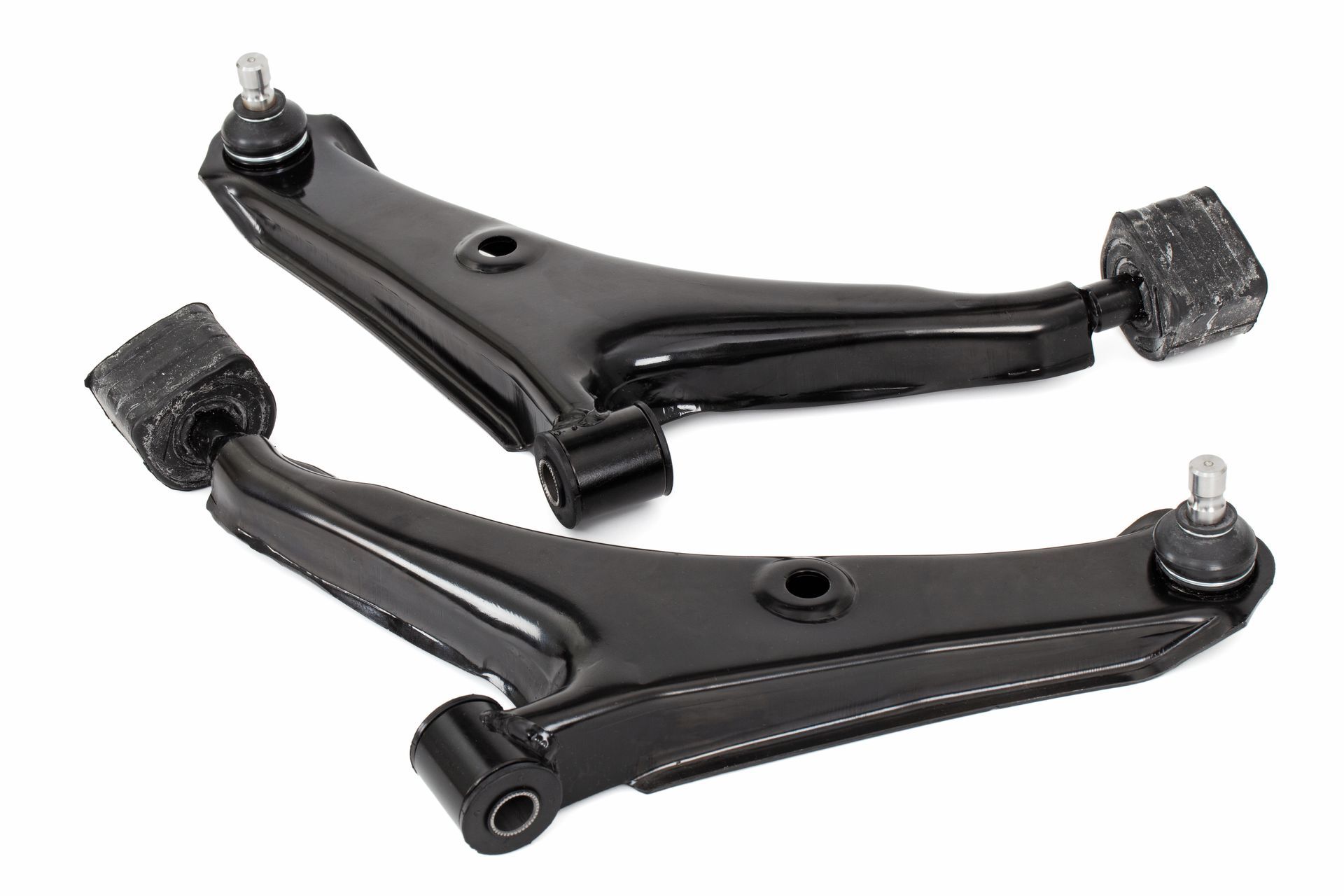
A control arm locates the wheel relative to the body or subframe. Replacing the arm, its bushings, or certain ball-joint arrangements changes the parts that hold that position. Adjustable mounting points make the need for a final measurement even clearer.
Some replacement joints use fixed mounting locations, so the repair instructions dictate the exact follow-up. The correct approach is to identify what was disturbed, measure where required, and adjust what the vehicle allows. Assuming a fixed-looking part has no effect overlooks manufacturing tolerances and wear in the parts surrounding it.
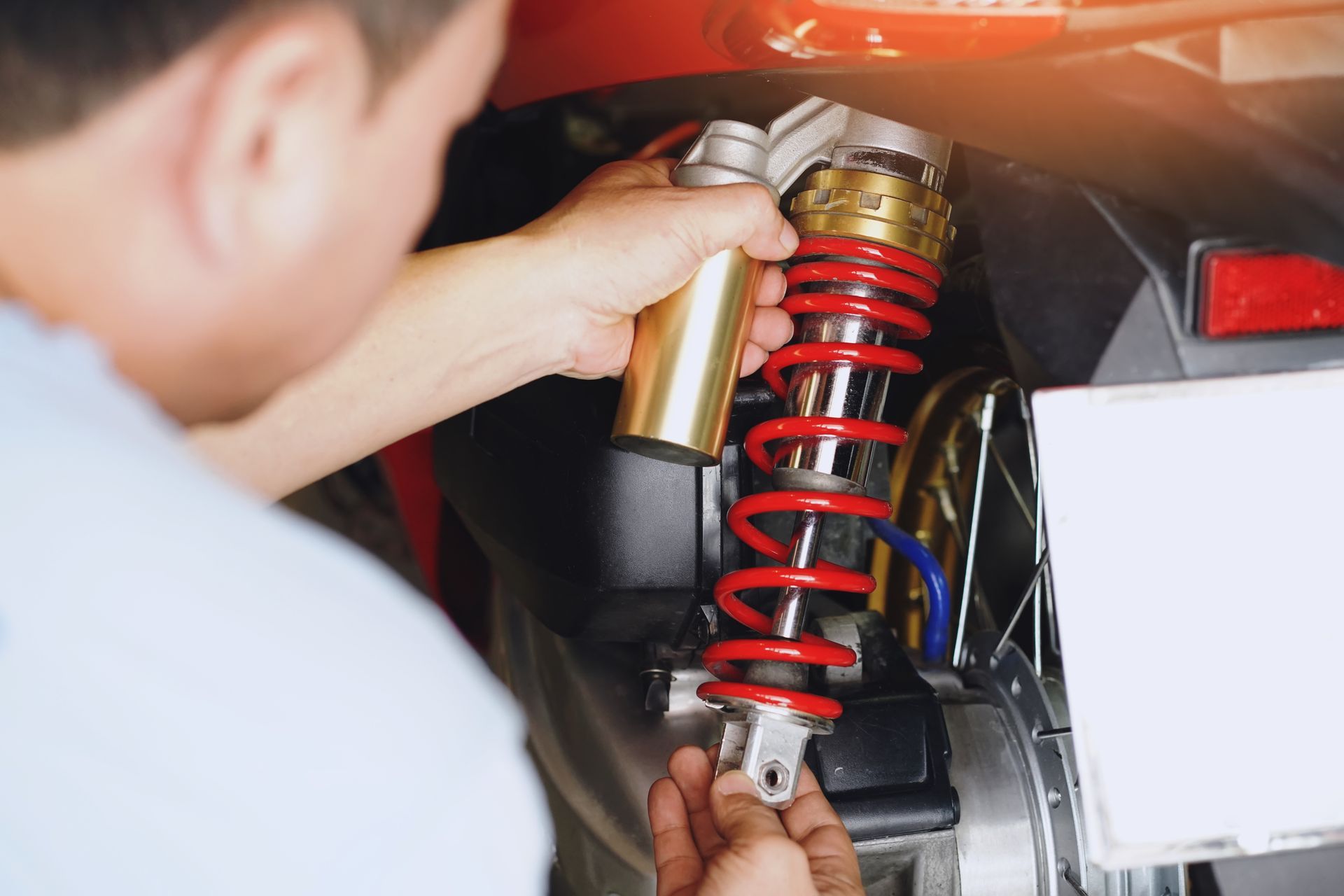
Strut and Spring Repairs Change Suspension Geometry
Many front struts are part of the structure that locates the wheel. Removing the strut from the steering knuckle, replacing a top mount, or changing an adjustable mounting arrangement creates a reason to check alignment afterward. Springs also affect ride height, which influences suspension angles.
A separate shock absorber doesn't always locate the wheel in the same way. Replacing one may leave the alignment settings untouched. This is why the estimate should name the actual repair instead of using one rule for every suspension part. The vehicle's design decides which follow-up checks are needed.
Steering Rack and Subframe Work Need Final Measurements
Replacing a steering rack disturbs the connection between the steering wheel and road wheels. Work that loosens or moves a subframe also changes the reference points for the suspension. A position that looks close during reassembly still needs measurement verification.
For a BMW, the inspection should account for the exact suspension and steering equipment fitted to the car. Ride-height requirements, loading instructions, and steering-angle procedures vary. Adjusting toe while the steering is physically off-center creates a different problem from completing the repair around the correct reference position.
Repairs That Commonly Need Alignment Review
These jobs should prompt a review of the alignment requirements:
Inner or outer tie rod replacement
Steering rack replacement
Control arm or locating-bushing replacement
Strut replacement where wheel position is disturbed
Spring or ride-height changes
Subframe removal or repositioning
Collision repairs affecting suspension mounting points
The list is a starting point for checking the procedure, not permission to skip measurements after another repair that changed geometry. A bent steering knuckle or impact-damaged suspension also needs a complete assessment before angles are adjusted.
An Alignment Can't Correct a Loose Suspension Part
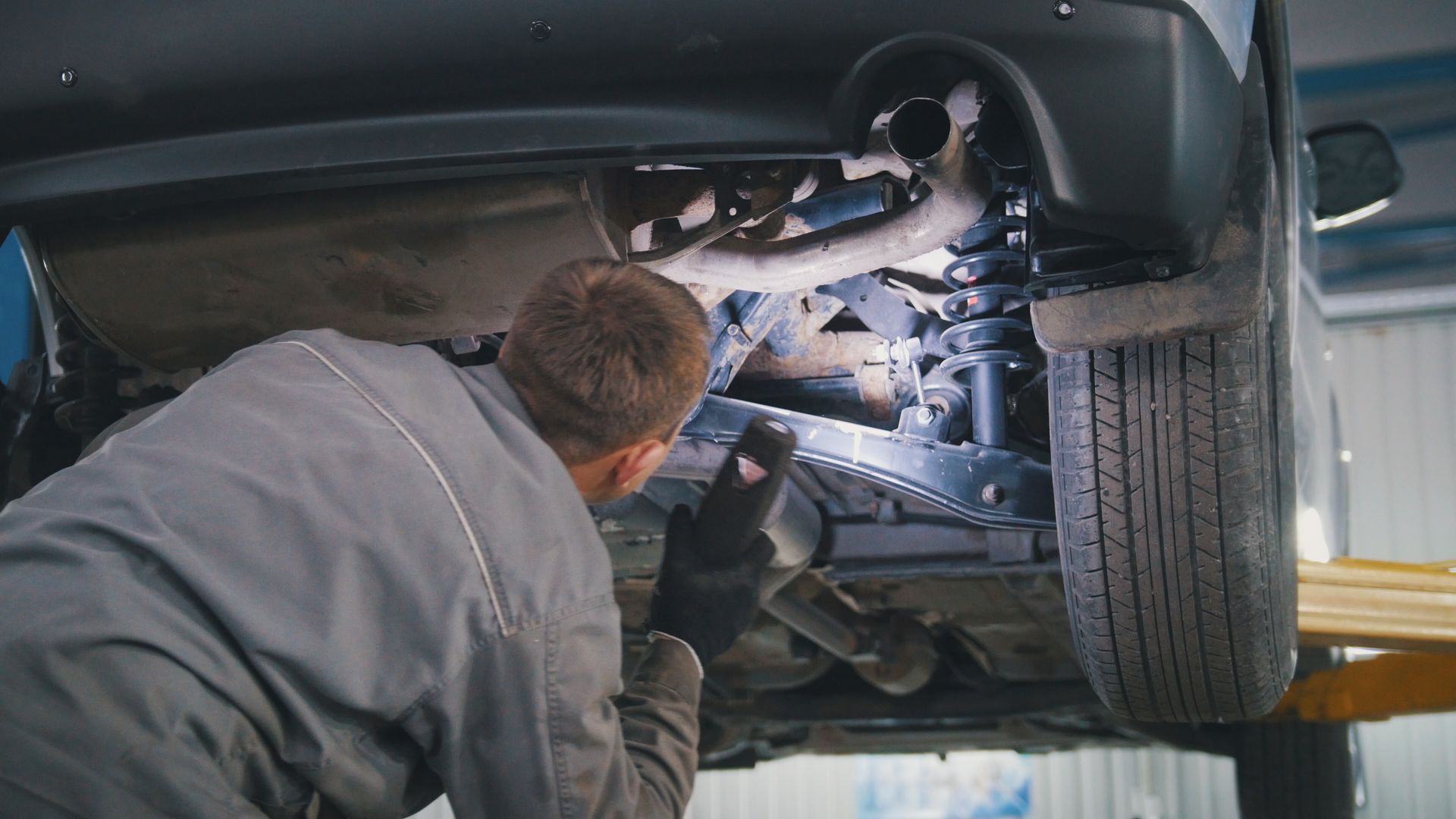
The wheels need to stay in the measured position while the car is moving. A torn control arm bushing lets a wheel shift during braking. A loose joint changes its position over bumps. Setting angles around that movement produces numbers that won't remain consistent on the road.
The repair order should therefore put damaged or loose parts first, then the final alignment. Tires need review as well. Heavy existing wear or tire damage sometimes continues causing pulling or noise after the mechanical repair is complete. The remaining symptom needs explaining rather than repeated adjustment without checking the tires.
What Finishes a Wheel Alignment Repair
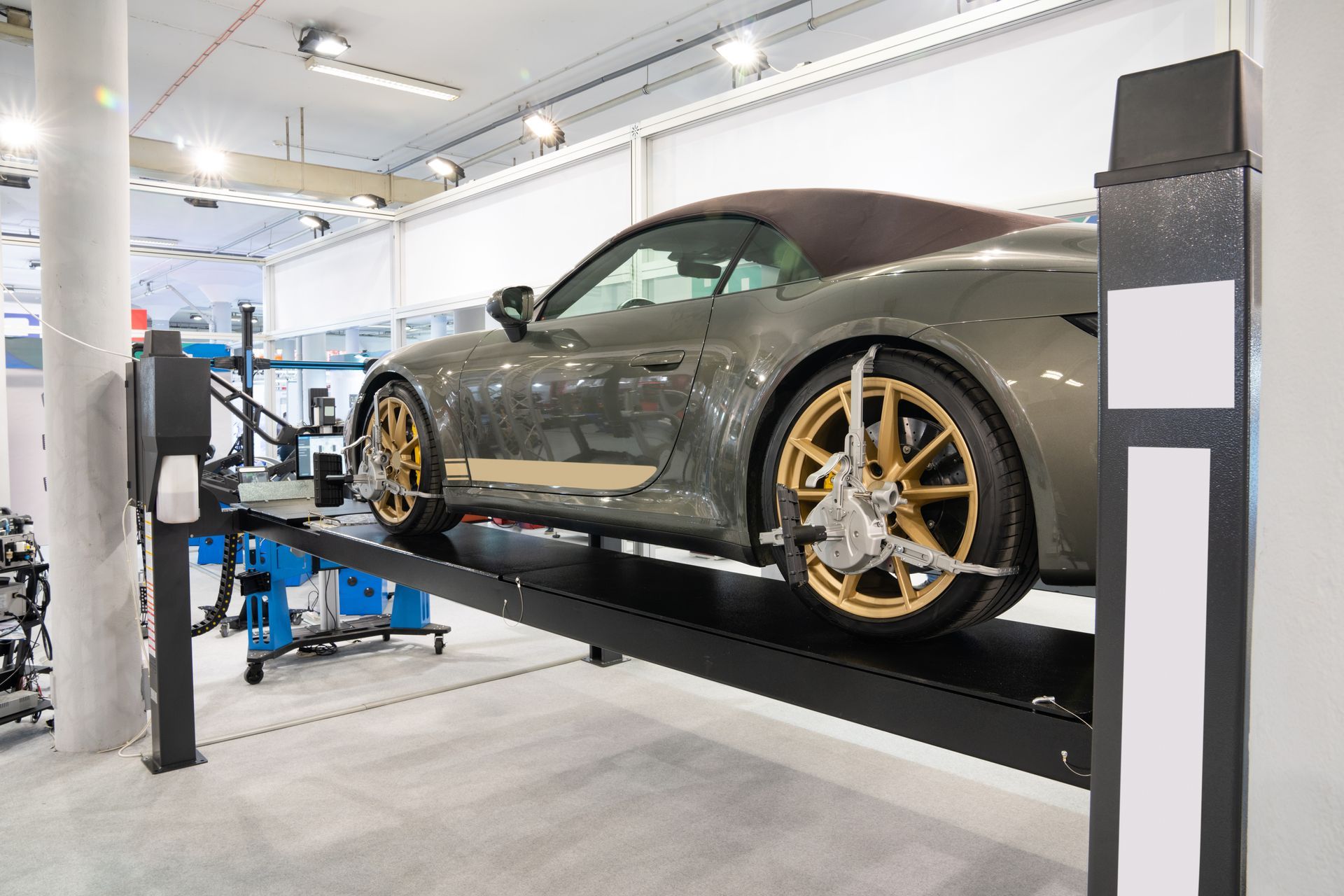
The completed job should leave the steering wheel centered, measurements within the vehicle's requirements where adjustment is possible, and no unresolved looseness affecting the result. Some cars also require a steering-angle initialization or driver-assistance procedure after specific work. Those steps follow the model's instructions.
A road check confirms how the car behaves after the measurements are set. Bring up pulling, a recent curb hit, or a change during braking before the work starts. That gives the shop a complaint to verify as well as an alignment sheet to review.
Get Wheel Alignment and Suspension Service in Fort Myers, FL, With Bimmerfix
Bimmerfix in Fort Myers, FL, can review alignment requirements after steering or suspension repairs and check the cause of uneven tire wear. Bring the earlier repair details if another shop recently replaced parts.
Call us to schedule a wheel alignment check or suspension inspection.