
The front of the BMW doesn't always feel loose. It changes direction slightly during braking, needs another correction on uneven pavement, or gives a dull knock when you reverse out of a space. On a straight, level road, the car can still feel familiar enough that you put off having it checked.
Those changes are worth describing separately. A steering-wheel shake during a stop, a clunk over a bump, and a wandering feeling can have different causes. Control arm bushings belong on the list, but replacing them should follow evidence of unwanted movement rather than the BMW badge alone.
What the Bushings Are Supposed to Allow
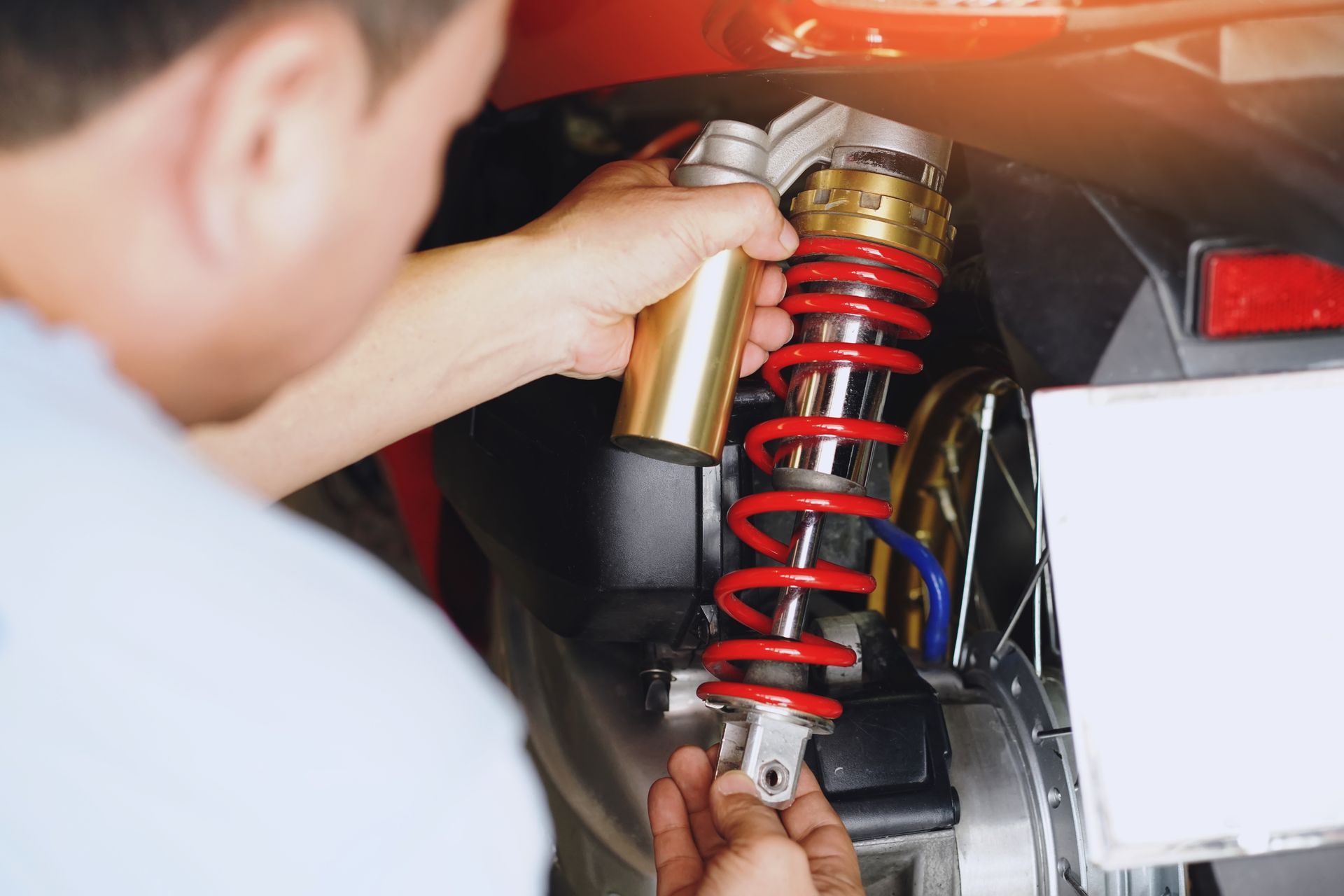
A control arm locates the wheel while allowing the suspension to move. Its bushings permit controlled movement and reduce vibration without letting the wheel shift excessively. BMW front suspension layouts vary, so the relevant component might be described as a control arm, tension strut, or thrust arm.
Some bushings are solid rubber, and others contain fluid for damping. A fluid-filled bushing can leak or lose its internal support, while bonded rubber can separate from its sleeve. The names and construction differ, but the diagnostic question is the same: does the joint control movement the way the suspension design requires?
Braking Can Expose Movement You Don't Feel While Cruising
Braking loads the front suspension and pushes against the arms and their mounting points. A weakened bushing can let a wheel shift more than intended as that load changes. The driver can feel a tug, a brief wobble, or a steering correction that wasn't needed before the pedal was pressed.
We compare that behavior with brake condition and tire performance rather than assuming a braking vibration comes from the bushings. Rotor variation, tire damage, or another loose joint can feel similar. A visible shift under a controlled load is more useful evidence than replacing the arms because a steering-wheel shake is a familiar complaint.
Uneven Roads Can Make the Steering Feel Busy
Small changes in pavement load affect each wheel differently. When a bushing no longer holds its intended position, the driver can feel repeated changes through the steering rather than one obvious knock. Tires with unsuitable pressure, uneven wear, or a tendency to follow grooves can make that sensation more noticeable.
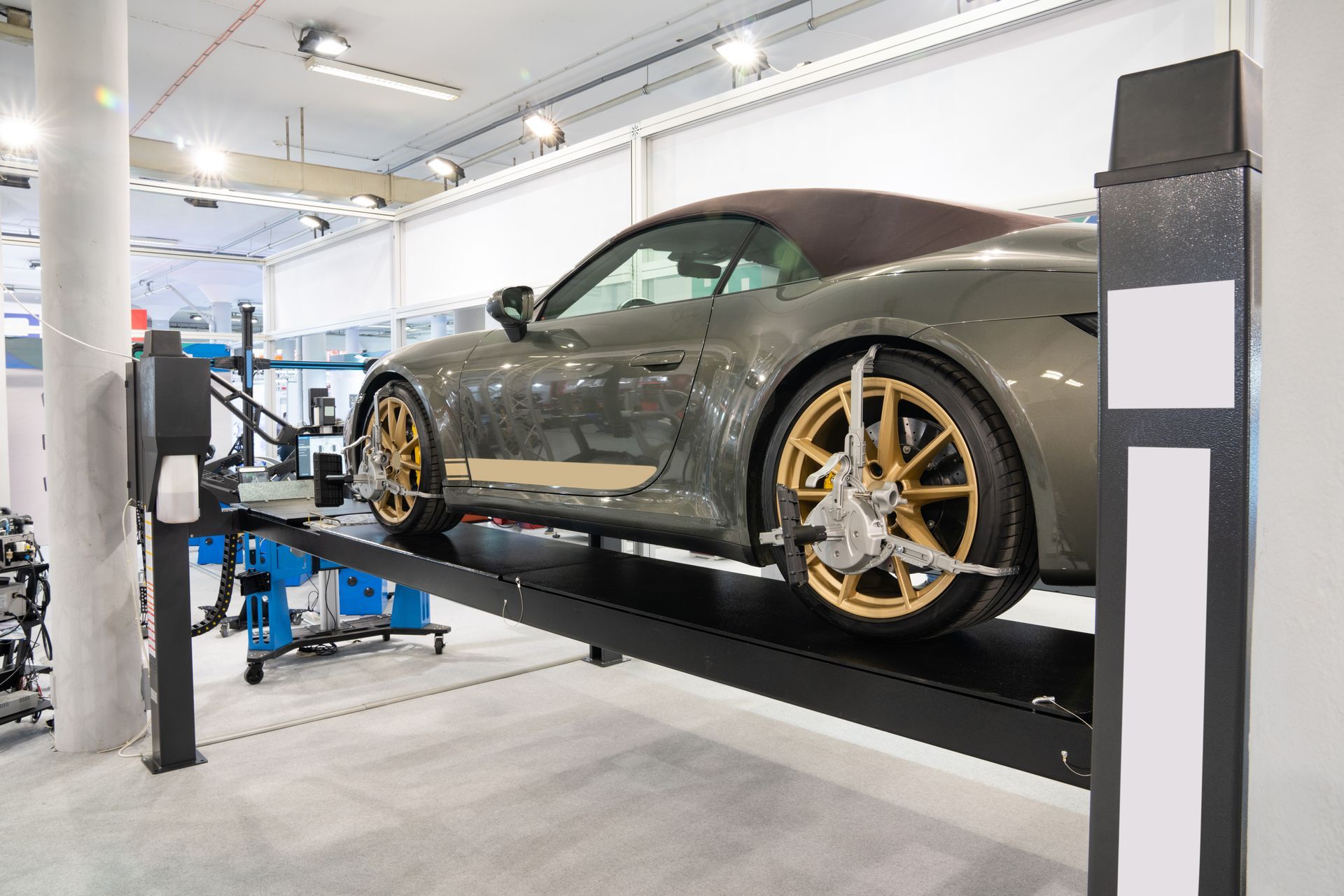
Check those tire conditions alongside the suspension. An alignment reading is taken with the vehicle in a particular position; it cannot guarantee that a worn bushing will hold that position on the road. Adjusting the alignment before addressing excess movement can leave the same unsettled feel and wear pattern behind.
A Split Surface Isn't the Whole Diagnostic
Minor surface cracking does not automatically establish that a bushing needs immediate replacement. Deeper separation, leakage from a hydraulic bushing, abnormal arm movement, or contact marks provide stronger evidence. A bushing can also look acceptable while the suspension hangs and reveal its weakness when loaded differently.
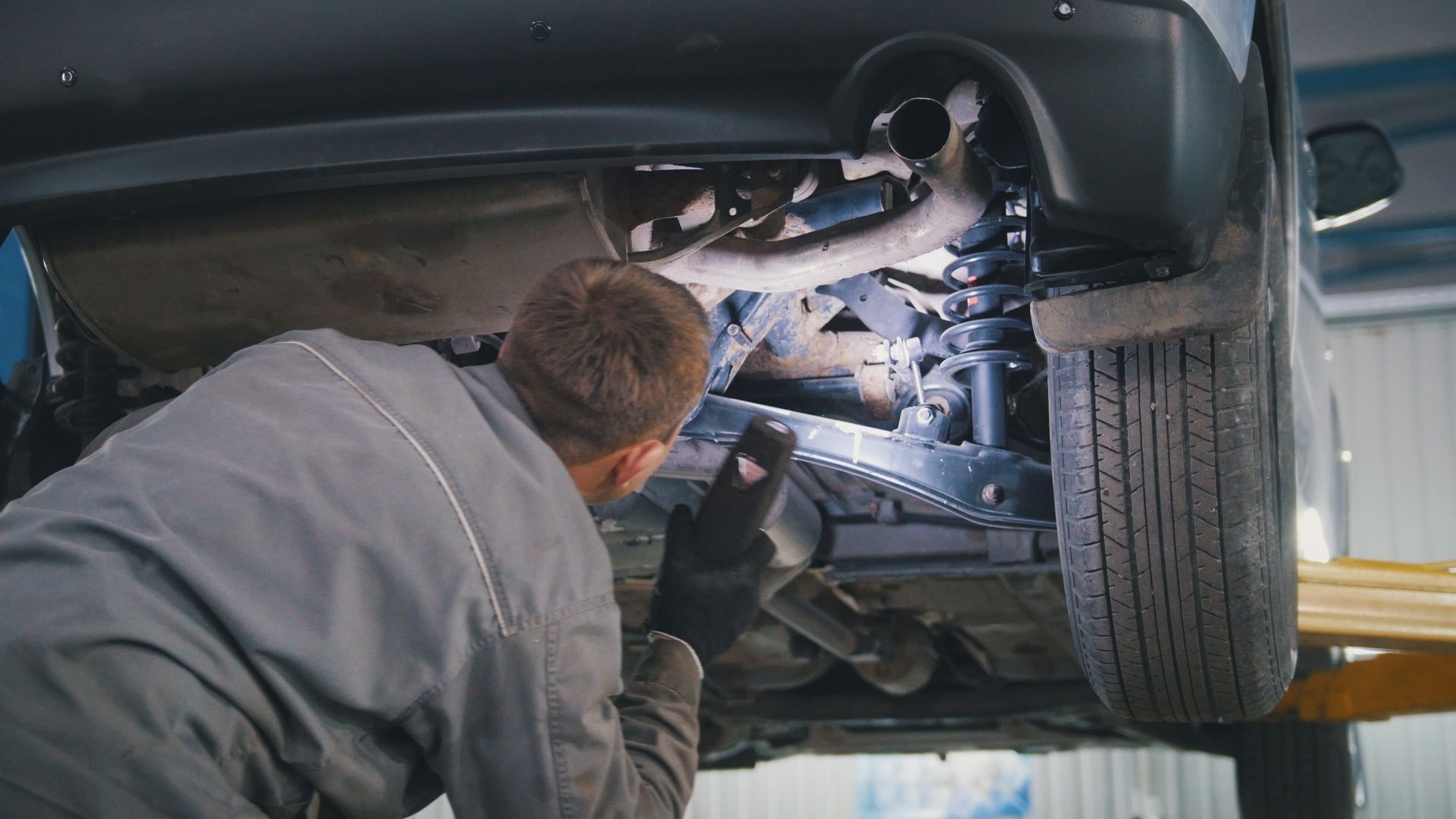
During an inspection, we check the arms in the way specified for the suspension and examine the related ball joints, tie rods, mounts, and fasteners. An oil leak from above can wet a bushing and confuse the source of fluid. The repair decision should distinguish an external stain from the bushing's own leakage or deterioration.
The Risk Depends on What Is Actually Loose
Worn bushings can reduce steering precision and allow alignment changes during braking or cornering. That doesn't mean every cracked bushing is about to separate completely. It does mean the driver should not assume an unsettled front end is only a comfort issue, especially when wheel movement or tire damage is developing.
A loose ball joint or tie rod creates a different and potentially more urgent risk than mild bushing deterioration. Strong pulling, difficulty holding direction, a heavy new knock, or obvious wheel movement calls for stopping use and arranging assessment. There is no dependable remaining-mileage estimate based on the noise alone.
Installation Details Affect How Long the Repair Lasts
Some applications allow bushing replacement separately; an arm assembly better serves others because of condition, construction, or related joint wear. Orientation and the prescribed installation procedure are important. Bonded-rubber joints that require tightening at a specified ride position should not be preloaded incorrectly with the suspension hanging.
After the repair, alignment and a road check help verify wheel position and the original complaint. Replacing parts isn't the endpoint if the vehicle still pulls or wobbles during braking. Recording tire wear and suspension condition during regular maintenance also gives a useful comparison for future changes rather than relying on how the steering felt months ago.
Get BMW Control Arm And Suspension Repair In Fort Myers, FL, With Bimmerfix
Bimmerfix in Fort Myers, FL, can check the control arm bushings and related steering, suspension, brake, and tire conditions behind an unsettled front end. Describe whether the change appears during braking, turning, or rough-road driving.