
You bought your BMW for the way it feels on the road. When it is right, the steering is sharp, the body stays flat in corners, and the car just seems to glide. When the suspension starts to wear, that confident feel slowly disappears. Little by little, you notice more noise, more shake, and a car that feels less precise than it used to.
Those changes are not just age, they are usually signs that key suspension parts are ready for attention.
Why BMW Suspension Wear Is Easy to Miss at First
BMW suspensions are tuned to be both comfortable and controlled. That tuning can hide early wear surprisingly well. A small amount of play in a bushing or joint gets absorbed by the rest of the system, so the car still feels decent on short drives.
Over time, though, the small amounts of looseness add up. You might start to notice extra body movement on highway ramps or feel every expansion joint a bit more than before. From our side of the lift, we often find parts that are far more worn than the driver expected based on how the car still felt.
Common Symptoms of Worn BMW Suspension
Here are some of the things that often show up when BMW suspension parts begin to age:
- Clunks, knocks, or rattles over small bumps or rough roads
- A dull thud from the front or rear when turning into driveways
- Extra bounce after dips, instead of a quick settle
- Steering that feels less precise, with small corrections needed to stay straight
- Uneven or accelerated tire wear on the inner or outer edges
You might not notice all of these at once. Usually one or two appear first, then more follow as additional components start to loosen or soften.
Clunks, Pops, and Knocks Over Bumps
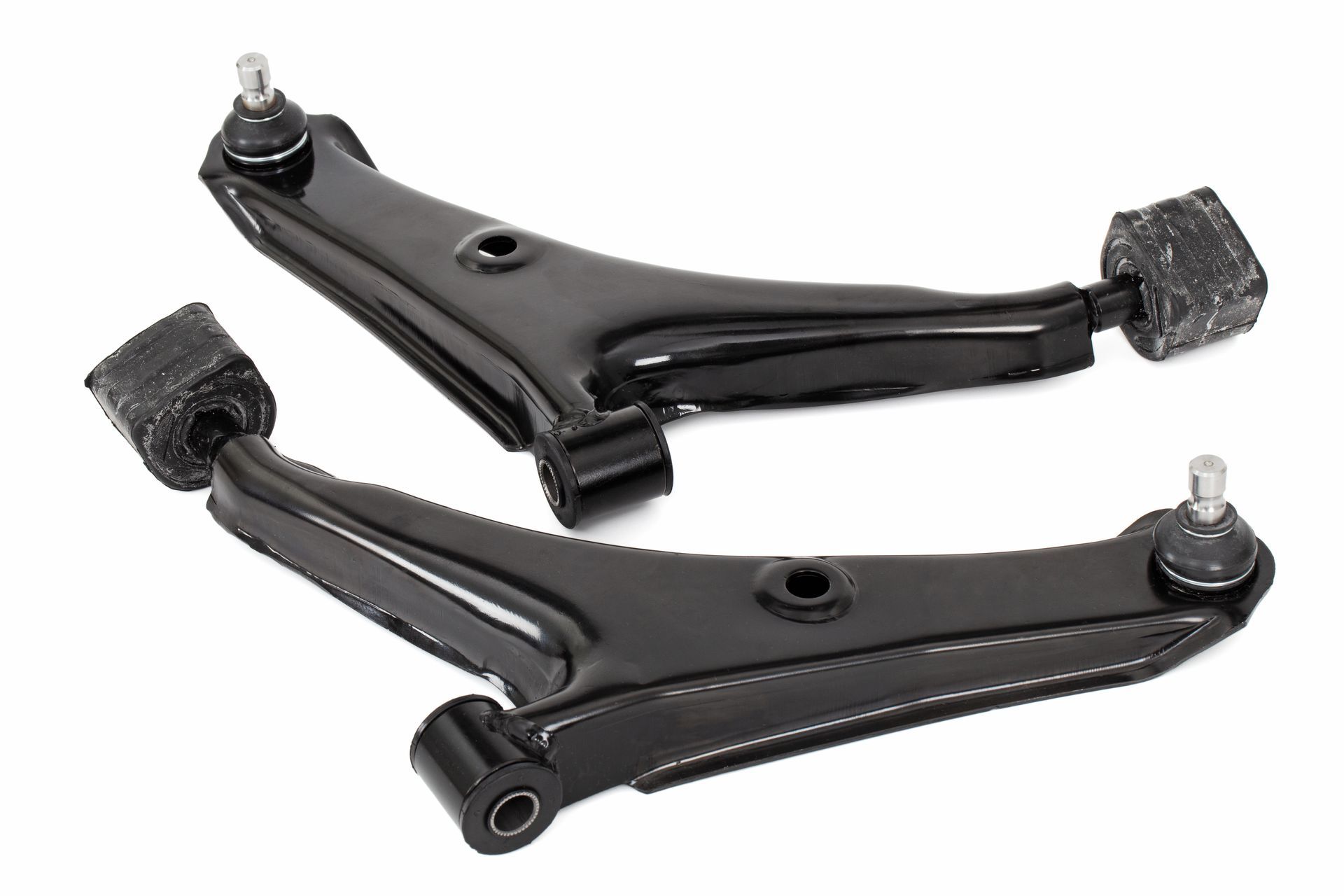
Noises over bumps are one of the biggest clues that things are not as tight as they used to be. Worn control arm bushings, ball joints, sway bar links, or strut mounts can all create small gaps that close with a thump whenever the suspension moves. That is why you may hear more noise on rough city streets than on smooth highway pavement.
If you are hearing a consistent knock from a specific corner when you go over speed bumps or turn into parking lots, that is worth checking. Those parts hold the wheels in place. Letting them wear too far does not just make noise, it can affect alignment and braking feel as well.
Vibrations, Shimmy, and Tire Wear
A worn suspension often shows up as a vibration problem long before anything looks dramatic from the outside. Loose bushings or tired struts allow the wheels to move more than they should, which can create a shimmy in the steering wheel or a vibration you feel through the seat.
At the same time, the tires may start to wear in scalloped or feathered patterns. That kind of wear tells us the tire is bouncing or skipping instead of staying planted. Even if the balance is perfect, a suspension that cannot hold the tire steady will keep shaking the car and chewing up tread.
Handling Red Flags You Should Not Ignore
A BMW that is in good shape feels confident when you change lanes, brake hard, or take an on ramp at speed. When the suspension is worn, that confidence starts to fade. You might feel more body roll than you remember, or notice that the car takes a moment to settle after you turn the wheel.
Other red flags include a rear end that feels loose over bumps, a front end that dives more than usual under braking, or a general “boat like” motion on uneven roads. If the car no longer feels locked to the pavement, that is your cue to have the suspension looked at before emergency maneuvers expose the weakness the hard way.
Owner Habits That Wear BMW Suspension Faster
Some driving conditions are harder on BMW suspension parts than others. Frequent rough roads, potholes, and steep driveways speed up wear on control arms, bushings, and shocks. Aggressive driving, hard cornering, and repeated heavy braking sessions also ask more from the suspension every day.
Wheel and tire changes can play a role too. Larger wheels with low profile tires look sharp, but they pass more impact straight into the suspension. If they are combined with lowered springs or stiff setups, components often reach their wear limit sooner than on a stock setup. When we inspect a BMW with aftermarket wheels or a history of rough roads, we expect to look extra closely at the usual weak points.
How a Professional Shop Checks BMW Suspension
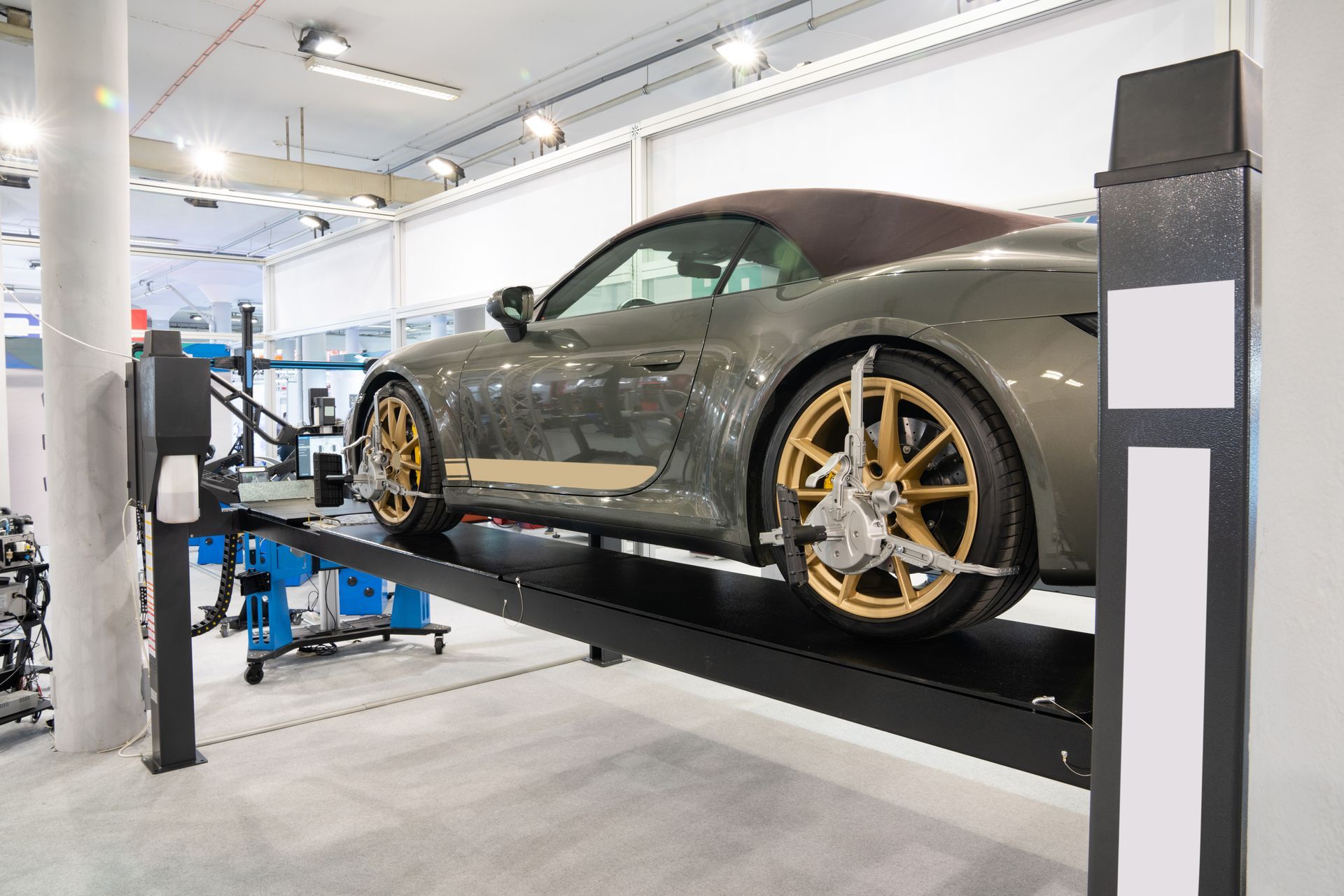
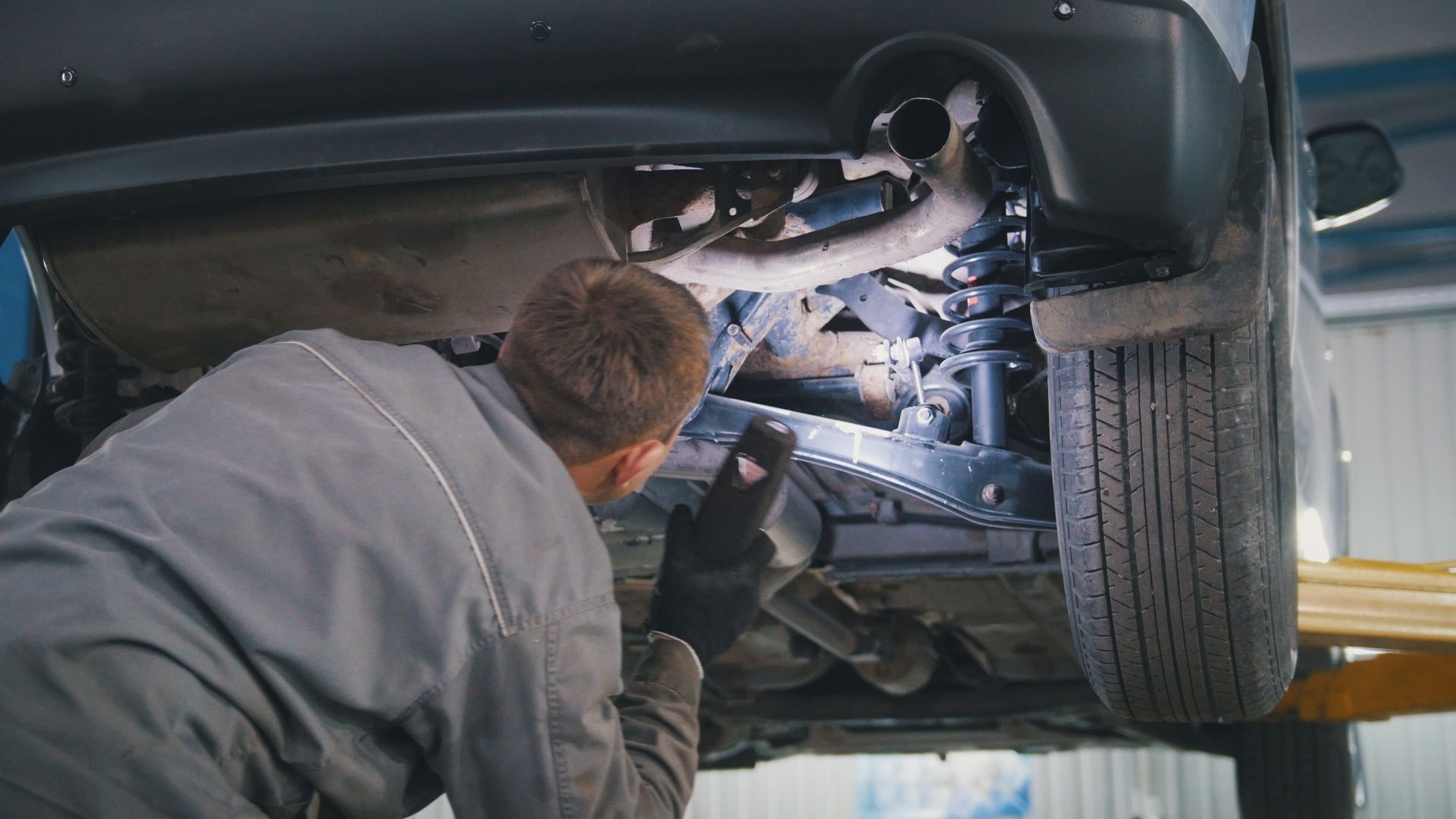
Proper suspension diagnostics is more than a quick glance at the tires. On the lift, we check for play in ball joints, control arms, and tie rods by moving the wheels by hand and watching the joints. We look at bushings for splits, cracks, and separation, and inspect struts and shocks for leaks or damage.
On a test drive, we listen for clunks, feel for vibration, and pay attention to how the car reacts to braking and lane changes. Putting those road feel clues together with what we see underneath gives a clear picture of which parts are worn and which are still solid. That way you can prioritize repairs instead of guessing.
Get BMW Suspension Repair in Fort Myers, FL with Bimmerfix
If your BMW has started to clunk over bumps, vibrate at speed, or just feels less sharp in corners than it used to, this is a good time to have the suspension checked. We can road test the car, inspect critical components, and recommend repairs that bring back the confident ride and handling you expect.
Schedule BMW suspension diagnostics and repair in Fort Myers, FL with
Bimmerfix, and we will help your car feel tight, quiet, and secure on every drive.