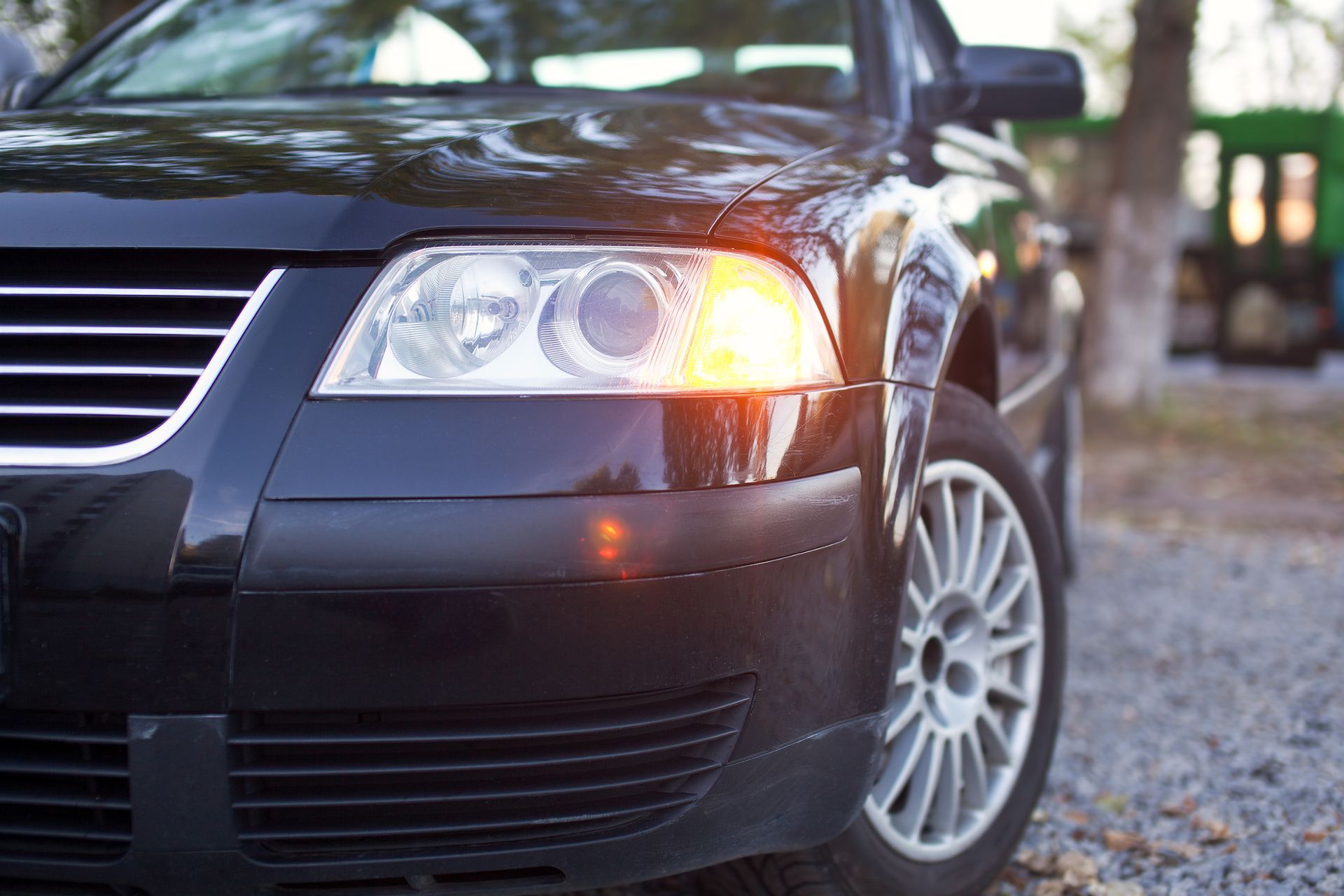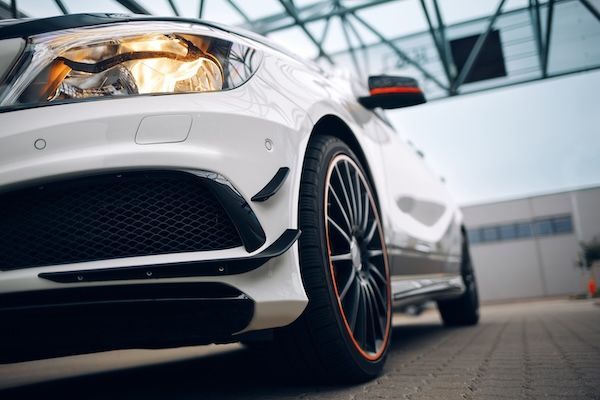

A lot of drivers treat the trunk like free space. If it fits, it ships. Extra bags, tools, sports gear, boxes, emergency supplies, random purchases, old strollers, folding chairs, bottled water, and whatever else has been riding around for weeks all start to pile up. Then vacation season hits, the trunk gets stuffed even more, and the car still seems to drive, so it feels like no big deal.
At our shop, we can tell you it is a bigger deal than most people think. Overpacking your trunk does not just make your car feel cluttered. It adds weight in one of the worst places possible, changes how the vehicle sits, makes the engine work harder, and quietly puts more stress on your suspension, brakes, and tires. Most of that damage does not show up as one dramatic breakdown. It builds gradually. The fuel economy slips. The rear of the car sits lower. The ride gets softer and sloppier. Tire wear starts changing. Shocks and struts work harder than they should. Then one day the car just does not feel as good as it used to, and the owner is not sure why.
The answer is often sitting right there in the trunk.
Extra Weight Always Costs You At The Pump
The easiest effect to understand is fuel economy. The heavier your car is, the harder the engine has to work to get it moving and keep it moving. That means more fuel burned every time you accelerate, merge, climb a hill, or deal with stop and go traffic.
A lot of people imagine you would need hundreds of extra pounds before it really mattered. In real life, even moderate extra weight adds up over time, especially if it stays in the car every day. One heavy cooler, a full-size tool set, extra sports gear, and a few forgotten storage bins can quietly turn into a permanent load penalty.
The car may still feel normal enough that you do not blame the weight, but your fuel gauge notices.
This matters even more in city driving where repeated acceleration puts the biggest demand on the engine. If your trunk is packed like you are leaving town every day, your car is using fuel like it is working a part-time hauling job.
Rear Weight Changes How The Car Sits
One of the clearest physical effects of overpacking the trunk is rear sag. When too much weight is concentrated at the back of the vehicle, the rear suspension compresses more than normal. That can make the car sit lower in the back and slightly change the angle of the whole vehicle.
Sometimes this is obvious. You load the trunk and the rear end visibly drops. Other times it is more gradual because the car has been carrying too much weight for so long that the change happened slowly.
Either way, that sag is not just cosmetic. It changes how the suspension is operating and can make the car feel less balanced on the road.
It can also affect:
- Headlight aim
- Ride quality
- Steering feel
- Tire wear
- Brake balance during hard stops
That is a lot of side effects from things most drivers think of as just extra stuff in the trunk.
Your Suspension Takes The Real Abuse
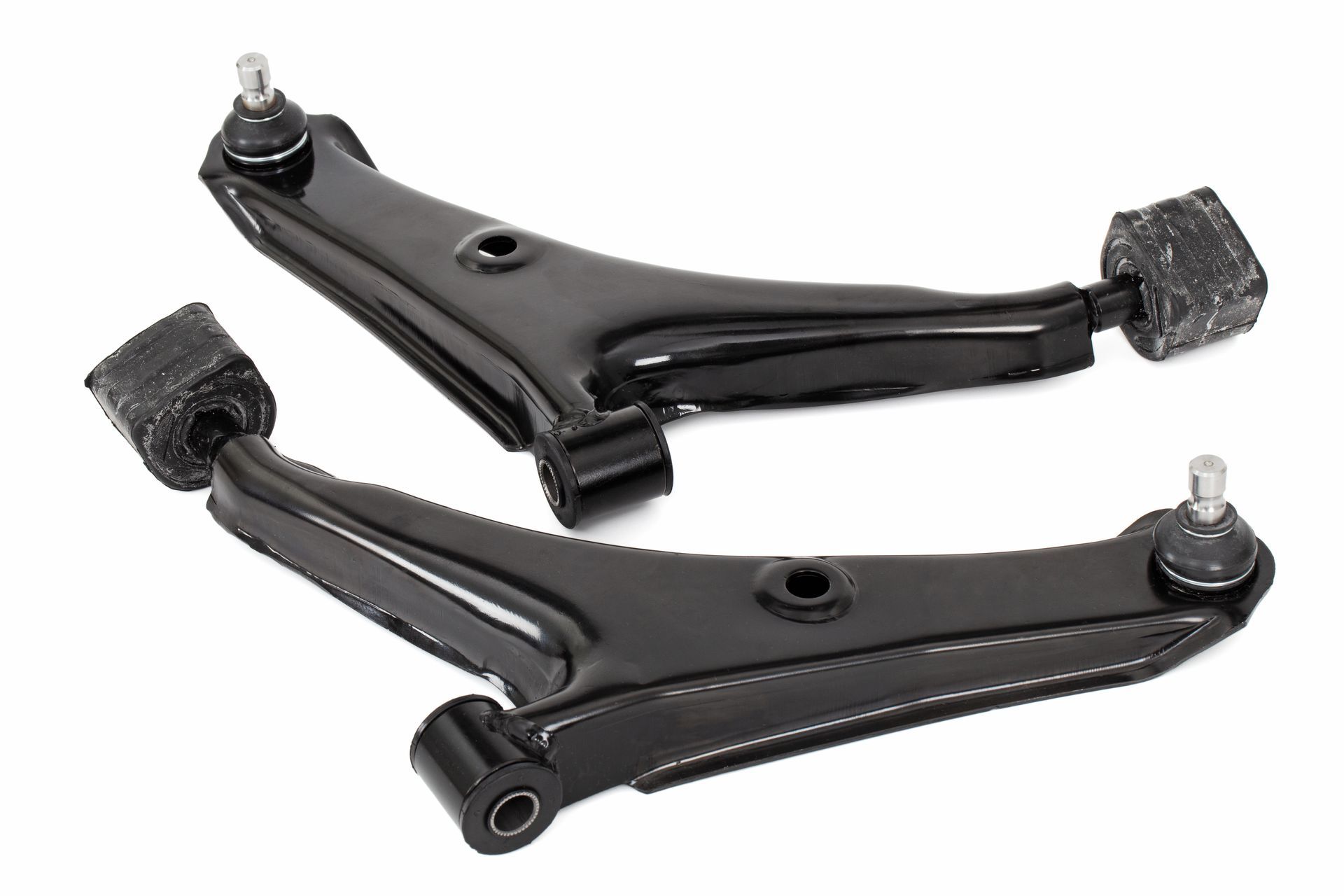
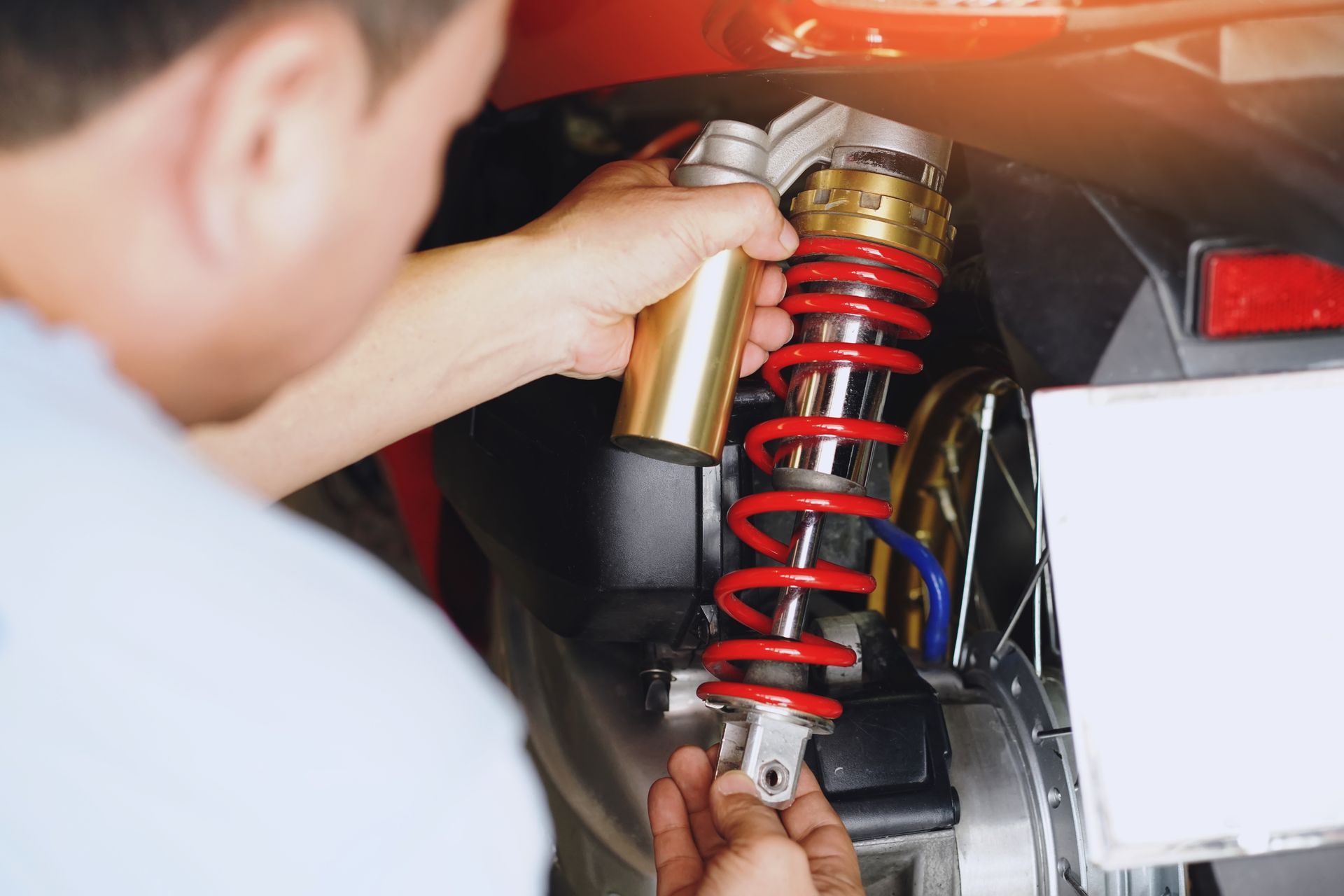
The suspension is what quietly absorbs the punishment from overloading. Springs, shocks, struts, bushings, and mounts are all designed to support the vehicle within a certain range. When you keep extra weight in the trunk all the time, those parts are working under more load than they should during every bump, turn, and stop.
That is where wear starts building.
A suspension that is constantly carrying too much rear weight may start feeling bouncy, less controlled, or unusually soft over rough roads. The shocks and struts have to work harder to control movement. Springs stay compressed more often. Bushings absorb extra stress. And when you hit a pothole or rough patch, the overloaded rear suspension has less room to recover smoothly.
This is why drivers sometimes complain that the car feels floaty or unsettled without realizing they have basically turned the trunk into permanent ballast.
Your Tires Pay For It Too
Tires are directly affected by overpacking because they are the parts actually holding that added weight up. The more weight in the rear, the more load the rear tires carry. That extra load creates more heat, more deflection, and more wear.
If the tire pressure is not adjusted properly for that extra weight, it gets even worse. Underinflated rear tires carrying too much cargo wear faster and run hotter. That can hurt both tire life and safety.
Over time, trunk overloading can contribute to:
- Faster rear tire wear
- Uneven wear patterns
- Reduced traction
- More heat buildup
- A heavier feel in the back of the car
And because the change is gradual, a lot of drivers never connect the tire wear back to the extra gear they have been hauling around for months.
The Car Stops Differently Too
More weight means more momentum. More momentum means the brakes have to work harder to slow everything down. This is especially noticeable if the trunk is packed for a road trip or loaded with dense heavy items.
The heavier rear of the vehicle can make braking feel different, especially during sudden stops. It can also increase brake wear over time because the system is doing more work than it would with a normal load.
This is one reason overpacking is not just about fuel economy and suspension wear. It affects the whole feel of the vehicle.
It Usually Starts With Good Intentions
The funny thing is that most overpacked trunks are not filled carelessly. People leave things in there because they want to be prepared. Extra water. Emergency gear. Workout stuff. Work supplies. Folding chairs. A heavy box that has been meaning to come inside for two weeks. A stroller that has not been used in a month but might be needed. It all sounds reasonable one piece at a time.
That is how it sneaks up on people.
The problem is not one backpack or one blanket. It is the cumulative weight of everything that never comes back out.
Signs Your Trunk Load Is Affecting The Car
A few clues often show up when the trunk is carrying too much weight too often:
- Fuel economy gets worse without another obvious reason
- The rear of the car sits lower than normal
- The ride feels softer or bouncier
- Rear tires seem to wear faster
- The car feels heavier or less responsive
- The trunk is full of things you do not actually need every day
If a few of these sound familiar, the trunk may be doing more damage than you realized.
The Fix Is Usually Simple
The good news is that this is one of the easiest problems to start improving immediately. You do not need a repair first. You need a trunk cleanout.
Take everything out. Then only put back what actually needs to live in the car. Keep the true emergency items. Keep the essentials. But stop treating the trunk like long-term storage for heavy gear you rarely use.
If you do need to carry extra cargo for a trip, pack thoughtfully. Keep the heaviest items low and secure. Do not overload beyond the vehicle’s limits. And once the trip is over, unload the stuff instead of letting the car keep carrying it for the rest of the season.
A Lighter Car Usually Feels Better Fast
Drivers are often surprised by how quickly a car feels better once unnecessary weight comes out. It may sit more evenly, respond better, ride more cleanly, and use a little less fuel. That is because the vehicle is finally working within a more normal range again. If your car feels low in the rear, rides rough, or seems to be burning more fuel than it should, turn to the pros at Bimmerfix in Fort Myers, FL.