
A Volkswagen can feel familiar from the driver’s seat and still be very different once the hood is open. That is usually what surprises people. It is still a car, still has the same major systems, and still needs the same basic categories of service. The difference is in how those systems are designed, how tightly they work together, and how quickly a small mistake can create a bigger problem.
That is why Volkswagen service tends to go better when the shop knows German vehicles well instead of treating them like just another import.
Why Volkswagen Service Has Its Own Rhythm
Volkswagen vehicles reward accuracy, experience, and knowledge. The right fluid, the right parts, the right service interval, and the right diagnostic approach all count more than many drivers expect. On some domestic and Asian vehicles, you can get away with a little more guesswork before it catches up to you. On Volkswagen, the cars are less forgiving.
That does not mean these vehicles are impossible to own. It means they respond best when they are maintained with the correct procedures. We see this a lot with owners who have been told all cars are basically the same. They are not.
European Design Changes Everyday Repairs
Volkswagen engineering tends to package things tightly and connect systems closely. That can make even common repairs a little different from what drivers are used to on other cars. A small oil leak, a cooling issue, or a drivability complaint may involve parts and procedures that need a more brand-specific approach than a general repair shop is used to.
This is one reason experience makes such a difference. A technician who regularly works on German cars usually knows where these vehicles tend to age, which patterns appear first, and what should be checked before replacing parts too quickly.
Oil, Cooling, And Carbon Build-Up Need Closer Attention
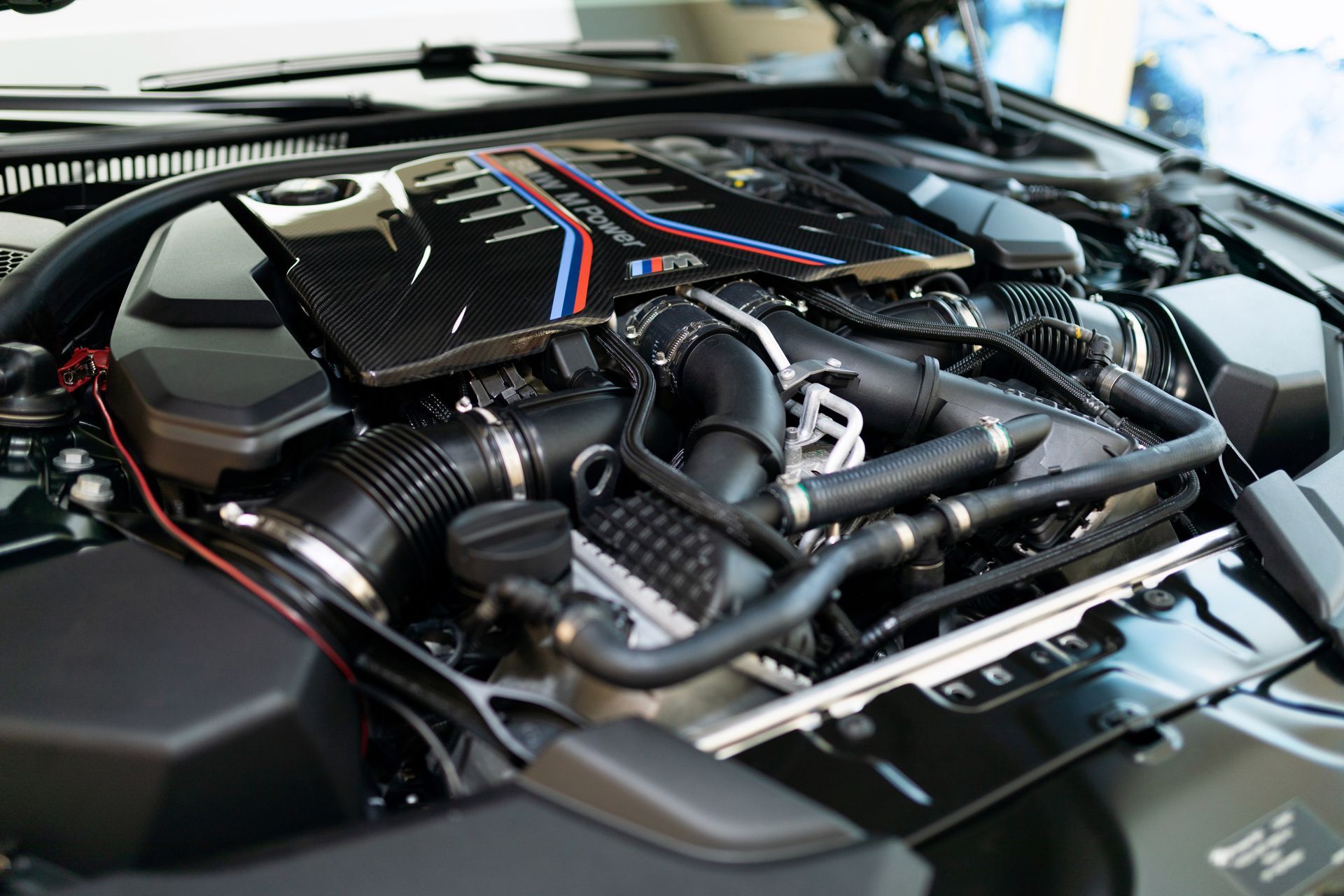
Volkswagen engines often rely on exact oil specifications, precise cooling system care, and close attention to how the engine is breathing and burning fuel over time. If the wrong oil is used or the service interval gets stretched too far, the engine does not always complain right away. It usually shows up later through timing-related wear, oil consumption, or drivability issues that could have been prevented.
The same goes for the cooling system and fuel system. Many newer Volkswagen engines are sensitive to neglected fluid service and carbon buildup. That is why regular maintenance tends to pay off more clearly on these cars. Staying on top of the basics usually prevents the expensive stuff from showing up early.
Why Diagnostics Are So Important For Good Repair
A lot of Volkswagen repairs are really diagnostic jobs before they become part-replacement jobs. Warning lights, rough running, boost issues, sensor faults, and electrical complaints often need a technician who can read the system properly and sort out cause from effect. That is especially true on modern German vehicles, where one issue can trigger symptoms somewhere else.
A few areas where that shows up often are:
- Check engine light faults that need more than a quick code scan
- Cooling system issues that start small but spread fast
- Electrical faults that affect multiple systems at once
- Turbo and intake problems that feel minor until performance drops
This is where owners lose money at the wrong shop. Guessing is expensive on a Volkswagen. A good inspection and the right diagnostic process usually save more than they cost.
Why Parts Choice Changes The Outcome
Parts quality makes a bigger difference on a Volkswagen than many owners expect. Cheap aftermarket parts sometimes fit poorly, fail early, or create new drivability problems that did not exist before. That is frustrating enough on any car, but it tends to show up faster on German vehicles because the systems are usually less tolerant of poor-quality components.
That is why the repair plan itself matters. Using parts that match the way the car was engineered often means better fit, more consistent performance, and fewer repeat visits for the same issue. It is not about buying the most expensive option every time. It is about not cutting corners in the wrong places.
What Owners Usually Get Wrong
The biggest misunderstanding is thinking Volkswagen ownership is only expensive because the badge says European. The real issue is that these cars age very differently depending on how they are maintained. A well-kept Volkswagen can be solid, enjoyable, and very dependable. A neglected one gets expensive much faster than owners expect.
That is why the right shop is such a big part of the ownership experience. If the car is being cared for by people who know German vehicles well, the service usually stays more focused, the repair decisions get better, and the vehicle holds up the way it should.
Get Volkswagen Repair In Fort Myers, FL, With Bimmerfix
If your Volkswagen needs service, diagnostics, or a closer look from a team that understands German vehicles deeply, Bimmerfix in Fort Myers, FL, can help you stay ahead of the common issues that get more expensive when the wrong shop handles them.
Bring it in before a small Volkswagen problem turns into the kind of repair that started with the wrong assumption.