
Porsche vehicles are built around performance, but that does not mean maintenance is simply a more expensive version of what any sports car needs. The engines, cooling systems, brakes, transmissions, electronics, and chassis systems are designed to work closely together, and the service procedures often reflect that.
A Porsche can still be perfectly comfortable in daily driving, yet many of its components are engineered for higher loads and tighter operating ranges than you would find on an ordinary passenger car. That makes correct fluids, service intervals, diagnostic equipment, and model-specific knowledge especially important as the vehicle ages.
The Engine Layout Changes How Service Is Performed
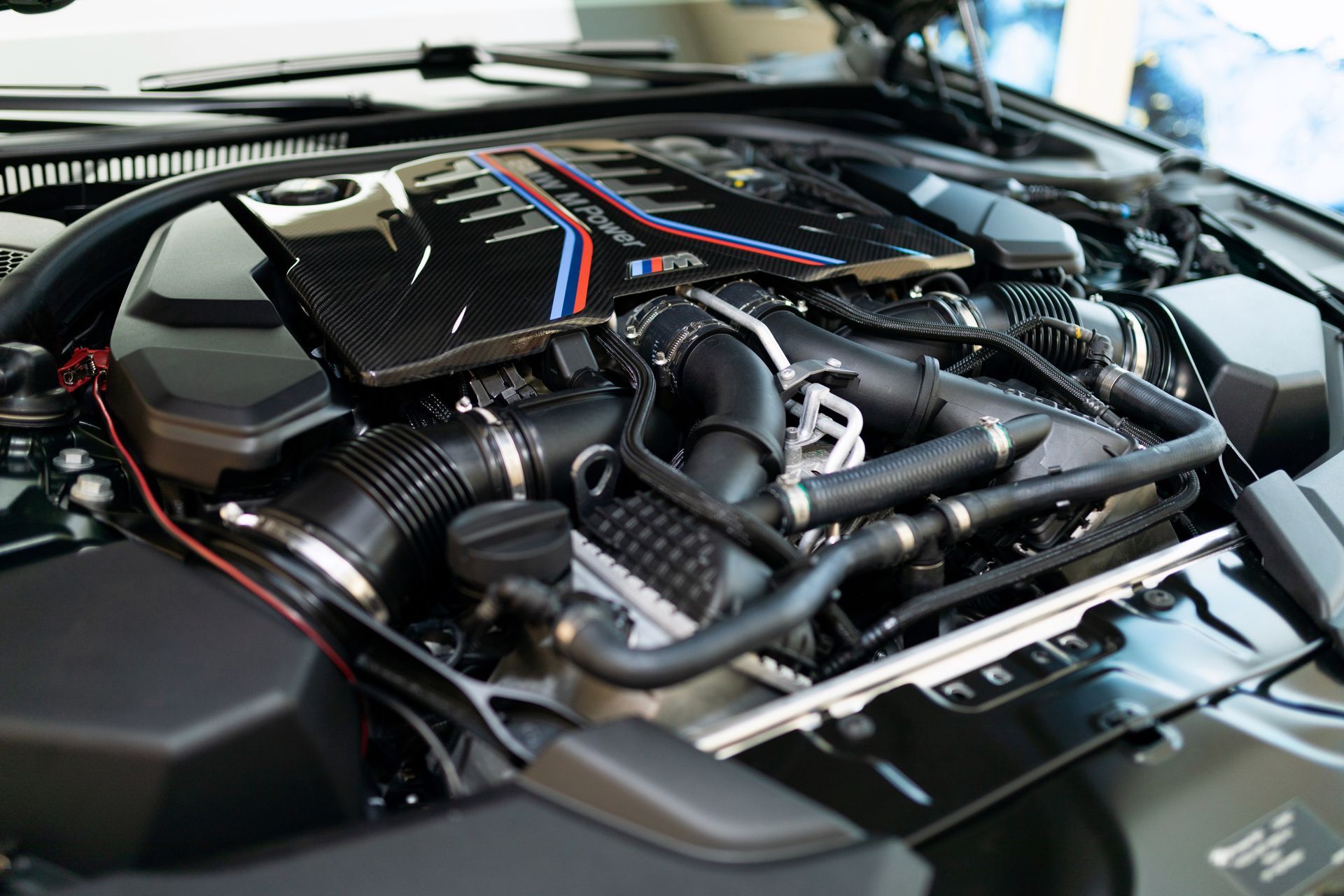
Porsche has used several engine layouts across its lineup. A 911 places the engine at the rear, while Cayman and Boxster models use a mid-engine design. Cayenne, Macan, Panamera, and Taycan models bring their own service requirements.
That layout affects access. Even something as simple as reaching filters, belts, ignition components, or cooling-system parts can require a different approach than on a front-engine sports car.
At our shop, we identify the exact engine and model before planning the work. Two Porsches from different generations can have completely different service procedures even if the maintenance item sounds the same on paper.
Oil Service Is More Than Draining and Refilling
Porsche engines can be particular about oil specification, capacity, temperature, and the procedure used to verify the final level. Some models use electronic oil-level measurement instead of a conventional dipstick.
The correct oil matters because it has to protect the engine during high temperatures, cold starts, extended highway use, and higher-rpm operation. Turbocharged models add even more heat around the engine and turbo bearings.
We also look at oil leaks while the vehicle is in for service. A small seep around a gasket, oil separator, timing cover, or related component may not require immediate repair, but knowing it is there gives us a chance to watch whether it changes over time.
Cooling Systems Can Be More Complex Than Expected
Performance engines create plenty of heat, and many Porsche models use large or complex cooling systems to manage it. Depending on the vehicle, there may be multiple radiators, long coolant pipes, electric pumps, control valves, and separate cooling circuits.
A small coolant leak can be difficult to trace because the fluid may travel through underbody panels before it reaches the ground. Some leaks appear only when the system is hot and pressurized.
During an inspection, we check for dried coolant residue, weak hoses, damaged connections, and signs that temperature control has changed. A Porsche that runs correctly on the highway but gets warmer in traffic may send us in a very different direction from one that overheats under heavy load.
Brakes and Tires Are Closely Tied to Performance
Porsche brake systems are designed to handle repeated stops while maintaining good pedal control. Larger calipers, performance pads, wear sensors, and high-performance rotor options are common, depending on the model and trim.
Brake service should consider the complete setup, not just whether the pads still have material left. Rotor condition, pad wear from side to side, brake fluid, sensor operation, and driving style all affect what the vehicle needs.
Tires matter just as much. A Porsche can be sensitive to tire type, size, tread depth differences, and pressure. On all-wheel-drive models, large differences in rolling circumference between tires can also affect driveline behavior. The right tires help the suspension, steering, and stability systems work as designed.
Porsche Transmissions Have Their Own Service Needs
Porsche has used manual transmissions, conventional automatics, and PDK dual-clutch transmissions. They do not all use the same fluid, service interval, or procedure.
PDK service is a good example. Depending on the transmission generation, there may be separate fluid circuits, filters, filling procedures, and temperature requirements. A harsh shift or hesitation shouldn't automatically be treated as an overdue fluid service, either.
We look at how the transmission is behaving and whether there are stored faults before deciding what it needs. Regular maintenance helps preserve the transmission, but fluid service cannot repair worn clutches, failed electronics, or an internal hydraulic problem.
Electronic Systems Need the Right Diagnostic Approach
Modern Porsche vehicles use a large network of control modules. Suspension, steering, transmission, engine management, braking, climate control, and even certain comfort features communicate with one another.
That means a warning light can involve more than one system. Low battery voltage, for example, can create several messages that make the vehicle look like it has multiple unrelated failures.
We use vehicle-specific diagnostic information to see which module reported the fault and what conditions were present when it happened. Replacing a sensor just because its name appears in a trouble code can lead to unnecessary parts if the real problem is wiring, voltage, or communication.
Get Porsche Maintenance In Fort Myers, FL, With Bimmerfix
If your Porsche is due for scheduled service or has developed a change in braking, shifting, cooling, or engine behavior, Bimmerfix in Fort Myers, FL, can service it with attention to the requirements of the exact model and drivetrain.
Schedule your Porsche maintenance and keep the car serviced the way it was actually engineered.