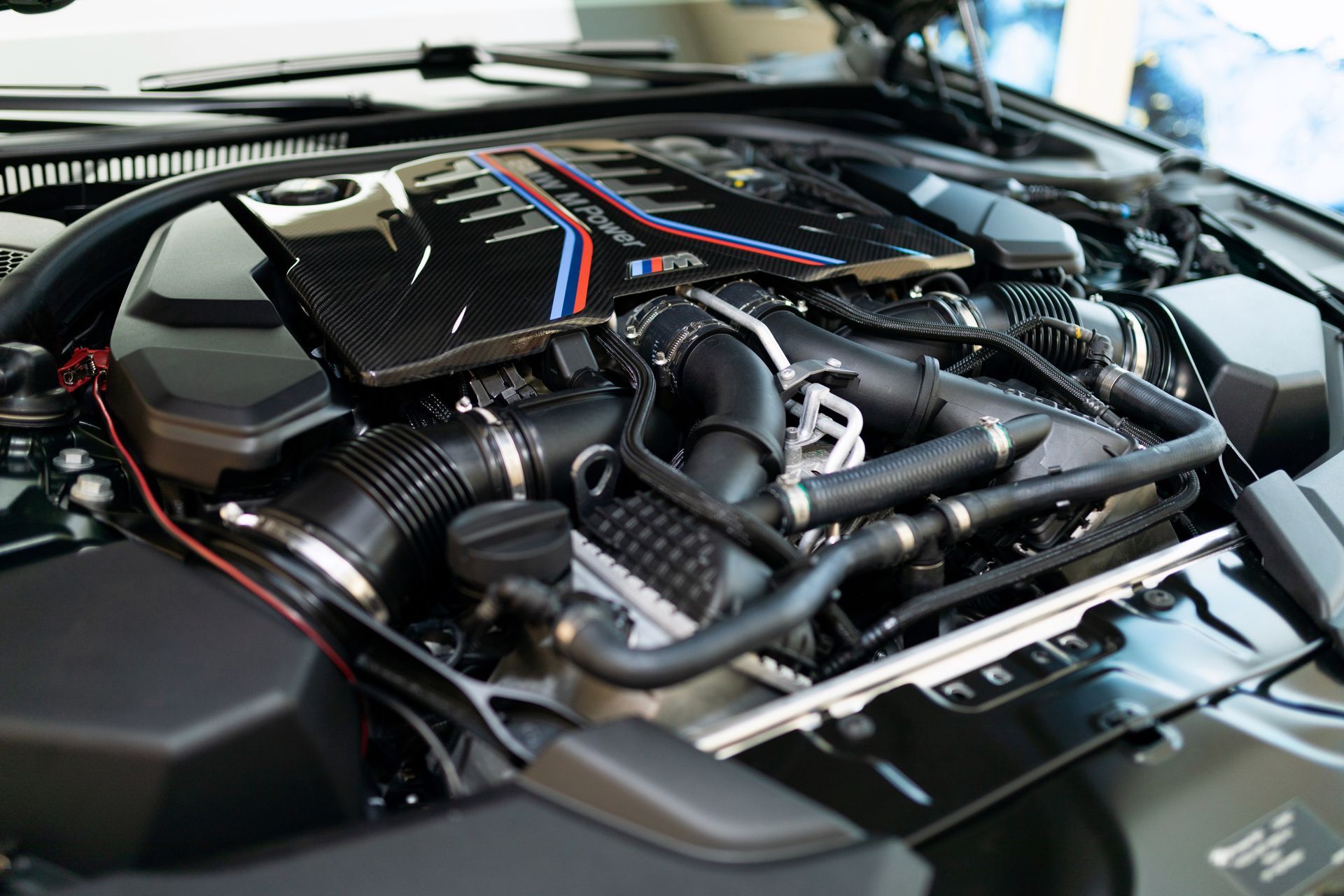

When a BMW check engine light comes on, the car often feels fine at first, which makes it tempting to ignore. Sometimes the light is triggered by something simple, other times it is the first hint of a bigger problem building in the background. Modern BMWs monitor a lot of systems, so the same little light can mean many different things.
Here are six of the most common causes we see behind that warning.
1. Loose or Faulty Gas Cap
It sounds almost too simple, but a loose or cracked gas cap is one of the most common reasons a check engine light shows up. The fuel system is sealed so the computer can keep vapors under control and run self-tests. If the cap is not clicked fully tight or its seal is damaged, the system may see a leak and set an evaporative emissions code.
If you just filled up and the light came on shortly after, it is worth safely rechecking the cap. Make sure it is the correct style for the vehicle, seated cleanly, and turned until it clicks several times. Even if the issue starts with the cap, a scan for codes is still helpful to confirm the cause rather than guessing.
2. Misfires from Worn Spark Plugs or Coils
BMW engines are sensitive to ignition problems. As spark plugs wear or coils weaken, the spark may not be strong enough under load. The result is a misfire, which the computer detects by monitoring crankshaft speed and other signals. You might feel a rough idle, hesitation under acceleration, or a brief shudder, especially when the engine is cold or climbing a hill.
Ignoring misfires can let unburned fuel enter the catalytic converters, which can cause them to overheat and damage them over time. That is why technicians usually treat misfire codes as something to address fairly soon. Replacing worn plugs and, when needed, coils on the affected cylinders is often all it takes to bring the engine back to smooth operation.
3. Oxygen Sensor or Air-Fuel Sensor Problems
Oxygen sensors, sometimes called air-fuel sensors on newer BMWs, tell the computer how rich or lean the exhaust mixture is. They constantly fine-tune fuel delivery to balance performance, emissions, and fuel economy. When a sensor ages or gets contaminated, its signal can slow down or drift out of range. The computer then sets a fault code and may go into a backup mode that uses more fuel.
Common symptoms include poorer mileage, a slightly rougher idle, and sometimes an exhaust smell that seems different than usual. Our technicians often see codes that point directly to a lazy sensor, but we still check for exhaust leaks or wiring issues before condemning a part. Replacing the right sensor at the right time protects the catalytic converters and keeps the engine running efficiently.
4. Issues with the EVAP System
The EVAP (evaporative emissions) system captures fuel vapors from the tank and routes them back into the engine to be burned. On BMWs, this system includes valves, a charcoal canister, lines, and a leak detection pump, all monitored by the engine computer. Small leaks, stuck valves, or a failing pump can all trigger the check engine light without creating obvious drivability symptoms.
Drivers often notice this as a light that appears more after refueling or during hot weather, but the car still feels normal. Even so, these faults should be checked because raw fuel vapors are hard on the environment and can lead to strong fuel smells. A proper smoke test and scan tool data usually pinpoint whether the problem is a cracked hose, a sticking purge valve, or another EVAP component.
5. Failing Mass Air Flow Sensor (MAF) or Intake Leaks
The mass air flow sensor measures how much air is entering the engine so the computer can match fuel correctly. If the MAF gets dirty, damaged, or starts to fail, the mixture can go too rich or too lean. Intake boot cracks, loose clamps, or vacuum leaks downstream of the sensor can cause similar problems by letting unmeasured air in.
You may feel hesitation, uneven power, or stalling, especially right after starting or when you first press the accelerator. A check engine light with mixture or fuel trim codes is common here. When we see these patterns, we inspect intake boots, look for vacuum leaks, and test the MAF before deciding whether cleaning or replacement is the right path.
6. Catalyst Efficiency and Exhaust Problems
BMWs keep a close eye on catalytic converter performance using sensors before and after the converter. If the converter cannot clean up the exhaust as well as it should, the computer flags a catalyst efficiency code and turns on the check engine light. This can come from long-term misfires, oil burning, or simple age and mileage. Exhaust leaks near the sensors can also confuse the readings.
Early on, you might not feel much difference in how the car drives, but over time, you could notice reduced power, rattling from the converter, or a strong exhaust odor. Because converters are expensive, it is wise to check for upstream issues, such as misfires or rich running, that may have caused the damage. Fixing those first can sometimes save the converter if the problem is caught early enough.
When a BMW Check Engine Light Becomes Urgent
Not every check engine light means you need to pull over immediately, but certain patterns deserve fast attention. Have the car checked soon if you notice:
- The light is flashing instead of steady, especially under acceleration
- Rough running, shaking, or obvious power loss
- New fuel smells, exhaust smells, or increased smoke
- Hard starting, stalling, or poor throttle response
- The light returns quickly after being cleared without repairs
A steady light with no drivability change usually allows careful driving to a shop, while a flashing light or strong symptoms are a sign to limit driving and arrange diagnostics promptly. A quick scan and basic checks can separate minor issues from those that could cause serious engine or converter damage.
Get BMW Check Engine Light Diagnostics in Fort Myers, FL with Bimmerfix
We work on BMW check engine problems every day and use factory-level scan tools and testing methods to find the real cause, not just the code. We will explain what triggered the light, which repairs truly matter now, and how to prevent repeat issues.
Call
Bimmerfix in Fort Myers, FL, to schedule diagnostics so you can get that check engine light handled and enjoy your BMW with confidence again.